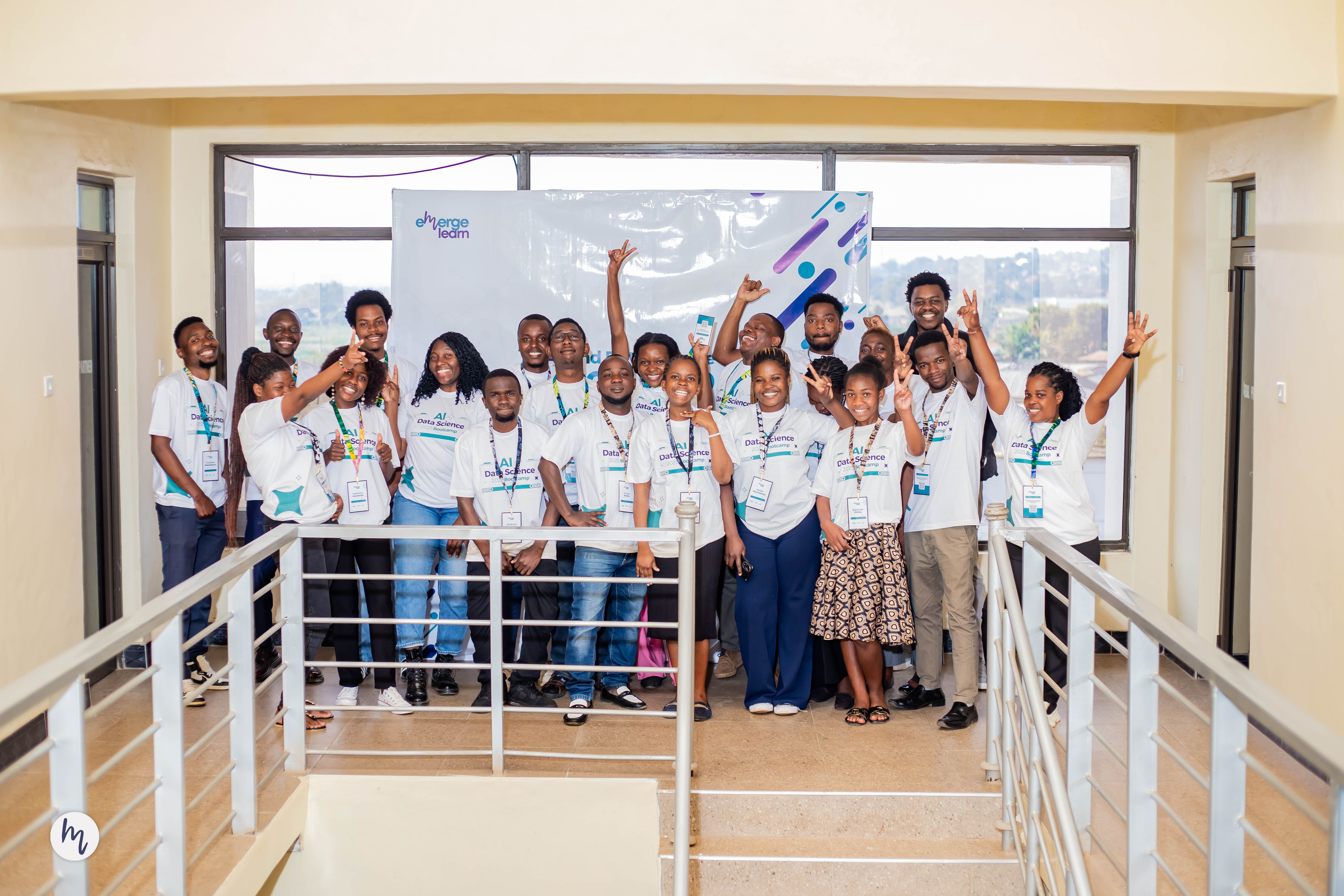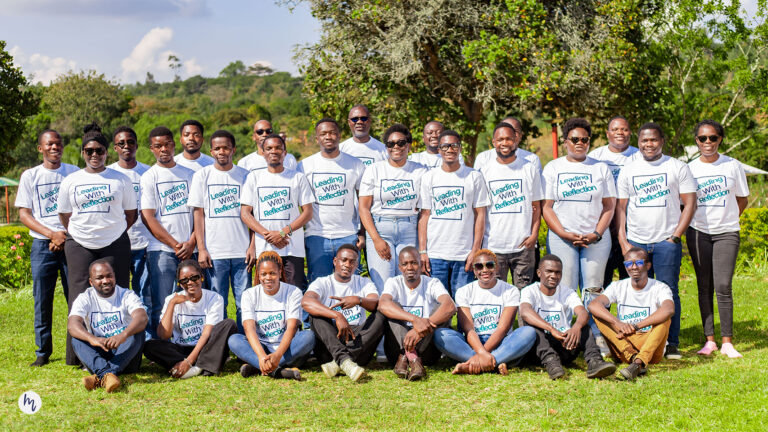
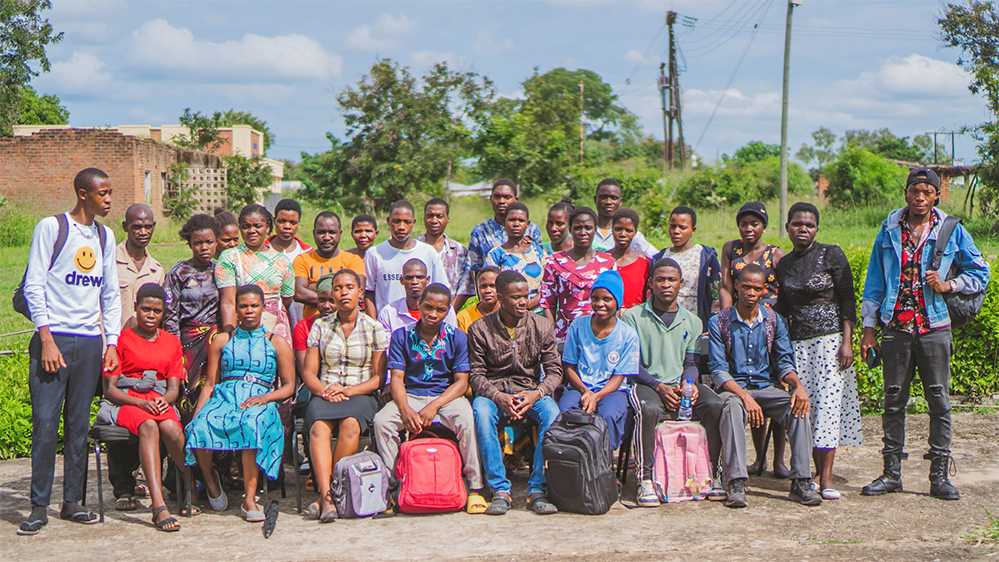
Young people in Malawi are rewriting the story of resilience and opportunity. The Green Jobs for Adolescents and Youth Project, a program led by a consortium of 6 organisations, including Emerge Livelihoods, with support from Save the Children International Italy, has this year awarded 16 youth-led enterprises grants and seed capital, the latest disbursement being eight group businesses from Ntcheu and Mzimba districts.
Investing in Dreams
The Green Jobs for Adolescents and Youth Project, running from June 2023 to March 2026, is designed to equip vulnerable adolescents and young adults (ages 15–24) with employable skills, sustainable income opportunities, and access to Sexual and Reproductive Health Rights (SRHR) information. Backed by a consortium of SCI Malawi, ADRA, CRECCOM, TEVETA, and Mzuzu University, the project is more than a financial lifeline, it is a catalyst for transformation.
Grants ranging between K1.2 million and K2 million have been awarded, enabling young entrepreneurs to confront pressing challenges such as unemployment, climate change, and gender inequality. For many, this support represents the first step toward independence and community impact.
Women at the Forefront
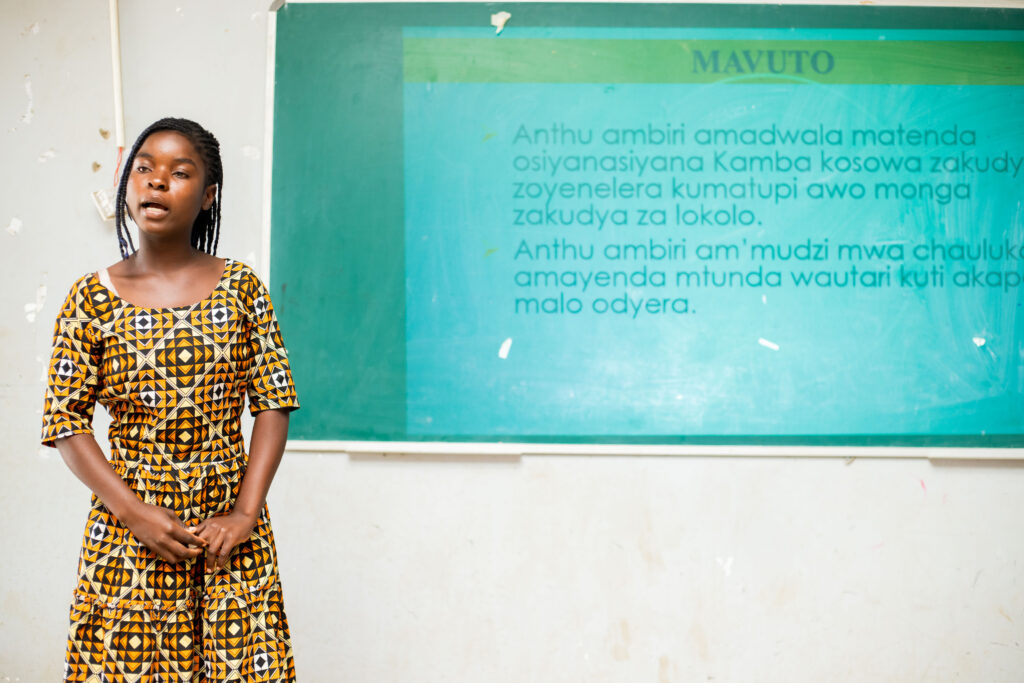
A defining feature of this year’s selections is the strong presence of young women. Out of the 16 businesses, 7 enterprises are women led and the remaining 5 have a significant representation of women. Their ventures span agriculture, hospitality, and renewable energy, sectors where female leadership is often overlooked. By backing these enterprises, the project is dismantling stereotypes and positioning adolescent girls as trailblazers in their communities.
This commitment to gender inclusion is not symbolic. It is tangible, visible, and transformative, ensuring that women are not only participants but leaders shaping Malawi’s future.
The grants are only the beginning. Each enterprise will have access to post-incubation support, including mentorship, training, and market linkages, to strengthen their enterprises. Prior to selection, participants participated in vocational skills training at Mzuzu University and SOS College, where they learned hands-on skills in various trades under the agriculture, eco-tourism, and renewable energy sectors, such as sustainable agriculture, restaurant services, and solar home systems, to name a few.
Project Manager, Tommy Banks emphasised that the program prepares youth for financial independence, with internships and certificates enhancing their employability and entrepreneurial prospects. Ntcheu District Youth Officer, Chigonjetso Chilomo added that the initiative directly addresses high unemployment rates, offering young people a pathway to meaningful work and self-reliance.
Ntcheu’s Rising Innovators
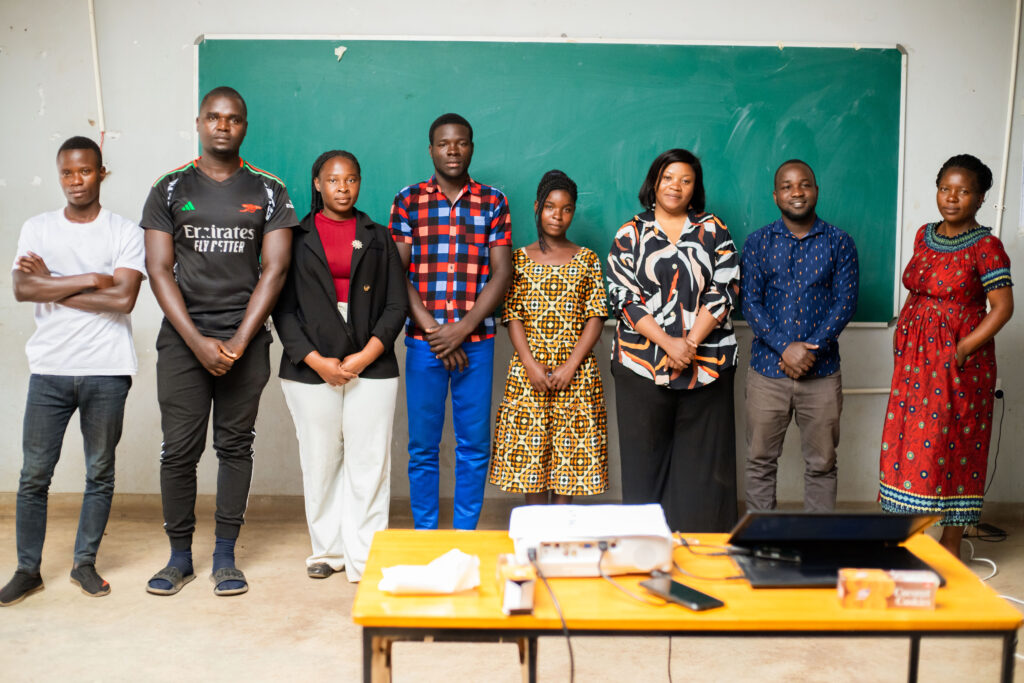
Below are the four youth enterprises from Ntcheu stood out for their creativity and commitment to sustainable livelihoods:
- Tithandizane Sustainable Agriculture (7 members: 3 female, 4 male)
Focused on climate‑smart farming, this group is championing food security while ensuring women play a central role in decision‑making. - Mwalandilidwa Restaurant (8 members: 6 female, 2 male)
A female‑led team redefining local cuisine and hospitality. - Kuwala Kwafika Solar Solutions (8 members: 5 female, 3 male)
Harnessing renewable energy to light up rural households, this group demonstrates how young women can thrive in the tech and energy sector. - Chiyanjano Restaurant (2 members: all female)
A small but determined duo, showing that even micro‑teams of women can build sustainable enterprises and inspire others. - Aunt Jessy Restaurant (1 member: Female only)
She plans to improve the health in her community and promote Eco-tourism by establishing an eco-restaurant in the area and preparing local nutritious foods.
- Trymore Tree Nursery Farm (1 member: Male only)
An innovation striving to solve the community problems of deforestation and offset its effects by incorporating a cost-effective Solar Powered Green House farm and planting fruit trees and rare natural trees seedlings for the market .
- Francis Baking Centre (1 member: Male only)
Focusing on addressing the lack of a bakery shop in their area and plans to build a reliable bakery shop that provides nutritious, affordable foods like Bread and cakes to their target customers.
- M’zotheka Irrigation Farm (1 Member: male only)
Focus on contributing towards the fight against hunger by using solar-powered Irrigation in their farm to produce farm products for sale all year round.
Mzimba’s Trailblazers
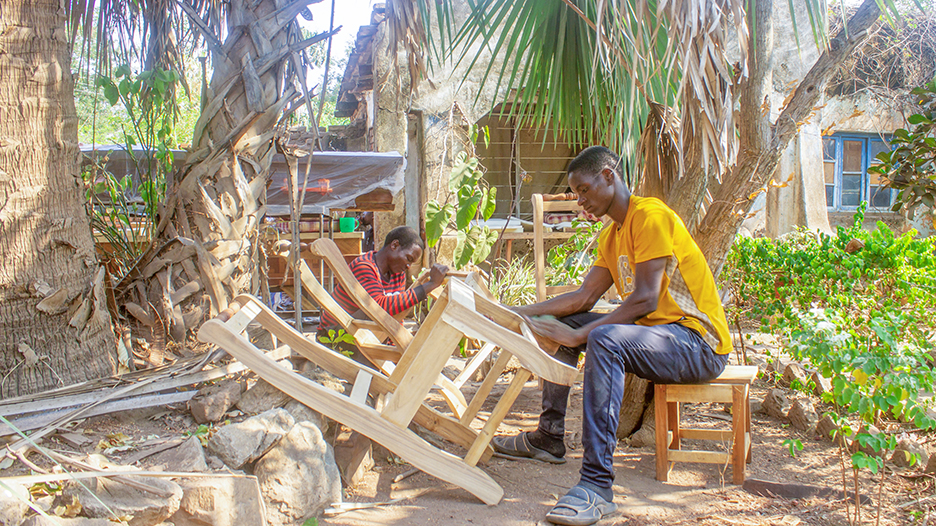
From Mzimba, four enterprises are stepping forward with bold ideas:
- The Big 3 (3 members: all male)
A dynamic trio focused on agribusiness, proving that young men can channel their energy into productive ventures that benefit entire communities. - Alifeyo Enterprise (3 members: 2 female, 1 male)
A balanced team blending several ventures from a grocery shop, a farm, and a restaurant, creating inclusive solutions in trade and services. - Chikumbutso Club (4 members: all male)
Innovators in local enterprise, demonstrating how young men can lead responsibly and contribute to sustainable growth. - Three sisters Restaurant (5 members: 4 Females, 1 Male)
Young women taking a leading role in penetrating the hospitality industry with eco-tourism centric business ideas. - Super Renew ( Solar Energy) (2 members: all Males)
Young entrepreneurs working on supporting the communities to transition to sustainable solar energy by bringing the services of solar installations and solar products close to the underserved communities in rural areas. - Favoured Pastry and Bakery (1 member: female)
A bold young lady with entrepreneurial dreams to solve the community problems by venturing to pastry and bakery to produce nutritious and affordable fast food service such as mandasi, bread and cakes. - Ukadya ubwelere Restaurant (1 member: female)
A woman lead enterprise striving to provide fast food services and create employment to fellow young people - Tikolelaneko Restaurant (3 members: all female)
A women‑only team carving out space in the hospitality industry, showing resilience and creativity in building livelihoods.